
Branding in the Age of AI
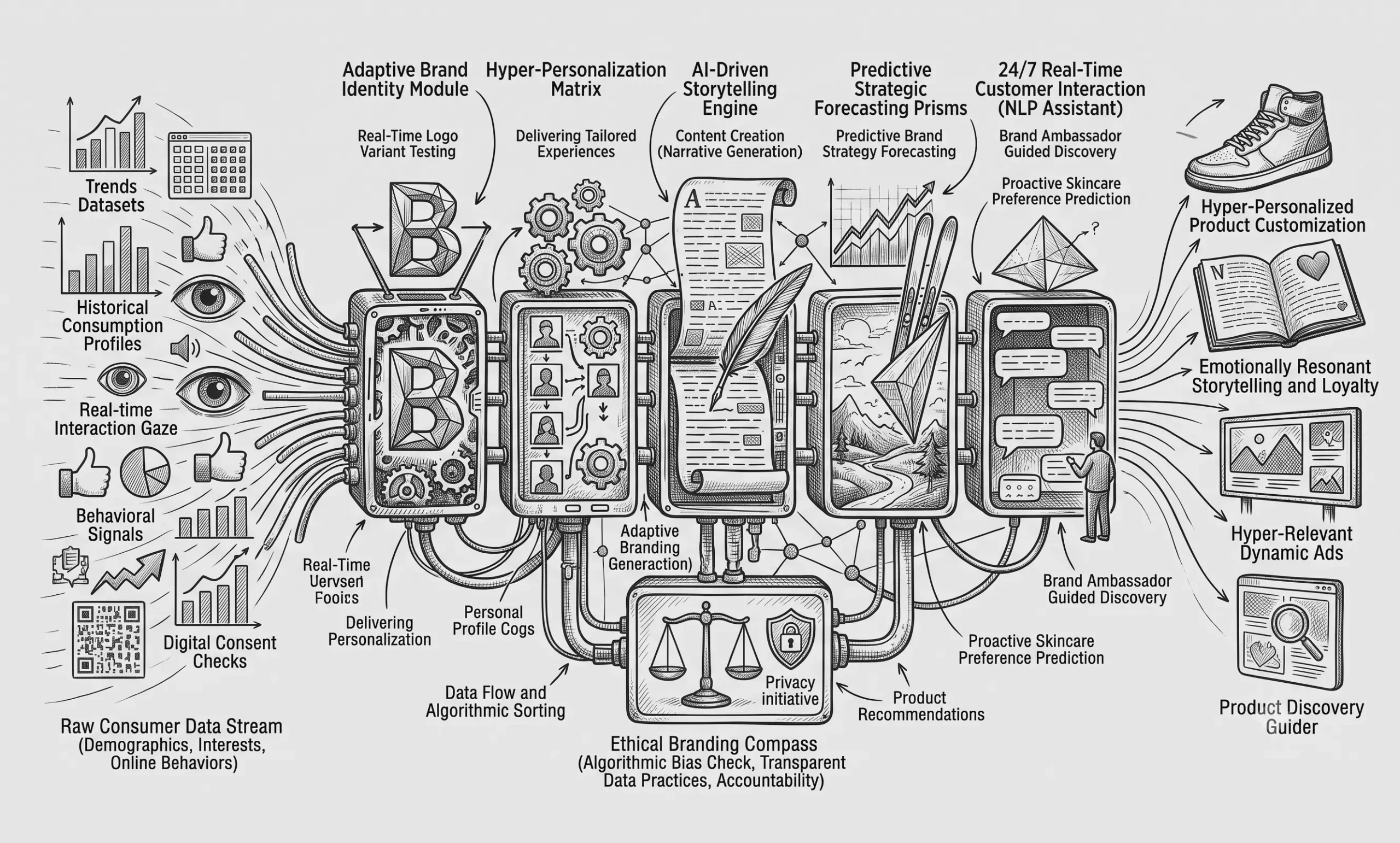
Artificial Intelligence is reshaping the foundation of branding. As digital ecosystems become increasingly data-driven, traditional branding approaches are evolving to meet new consumer behaviors and expectations. Rather than static identities, brands today must be adaptive, reactive, and hyper-personalized. AI enables businesses to analyze trends, predict consumer needs, and create emotionally resonant experiences at scale. This technological shift compels marketers to rethink how they craft narratives and build loyalty.
AI-Powered Brand Identity
Modern branding is no longer limited to logos and color palettes. AI now enables dynamic brand identities that can evolve in real-time based on consumer behavior and market trends. For example, Spotify Wrapped uses data to customize user experiences and bolster brand affinity. AI tools also allow brands to test multiple logo variants and visual elements to see which resonate best with target audiences. This iterative design intelligence reduces guesswork and enhances cohesion. Companies like Airbnb and Coca-Cola are already experimenting with fluid identity systems powered by machine learning. The result? A brand that’s not only memorable but also hyper-relevant.
Hyper-Personalization at Scale
One of AI’s most powerful applications lies in personalization. Algorithms can now analyze customer behavior, preferences, and interactions to deliver tailored experiences across platforms. Brands like Netflix and Amazon use AI to recommend content and products, increasing engagement and conversions. Personalization extends to branding by adjusting tone, visuals, and messaging depending on the user. For instance, Nike’s AI-driven campaigns dynamically adapt to customer data, showcasing personalized ads and product suggestions. This creates a sense of intimacy and loyalty, positioning the brand as customer-centric. With AI, personalization is no longer a luxury—it’s an expectation.
Content Creation and Storytelling
AI-driven content generation tools such as ChatGPT and Jasper are revolutionizing how brands craft narratives. These tools analyze existing brand tone and audience data to generate copy that aligns with overall strategy. Whether it’s blog posts, email campaigns, or social media captions, AI drastically reduces production time while maintaining consistency. Storytelling becomes more adaptive, with content shifting based on performance data and engagement metrics. Brands like The Washington Post use AI to generate thousands of articles, freeing up human creativity for strategic tasks. AI helps brands tell smarter stories—ones that resonate, convert, and evolve.
Predictive Analytics for Brand Strategy
Predictive analytics allows brands to forecast future trends and consumer behaviors with astounding accuracy. By analyzing historical data, AI models can anticipate seasonal demand, emerging preferences, and even competitor actions. This empowers marketing teams to make data-backed decisions about product launches, campaign timing, and messaging. For instance, beauty brand Olay uses AI to predict skincare trends and adjust formulations and marketing accordingly. AI-equipped CRM systems also help brands identify potential churn and proactively engage users. When brand strategy is informed by predictive intelligence, it becomes proactive rather than reactive.
Real-Time Customer Interaction
AI chatbots and virtual assistants are now central to many brand-customer interactions. These tools offer 24/7 support, respond in natural language, and collect valuable behavioral data. More than just support agents, they act as brand ambassadors—delivering personalized greetings, product recommendations, and follow-ups. Sephora’s AI assistant, for instance, guides users through product discovery with smart questions and visual feedback. This immediacy builds trust and keeps customers engaged. As natural language processing evolves, these interactions will become even more human-like, making brands feel more accessible and responsive.
Ethical Branding in the AI Era
As AI becomes more embedded in branding, ethical considerations are coming to the forefront. Transparent data practices, algorithmic bias, and digital consent are vital issues brands must address. Consumers demand accountability and ethical alignment from the companies they support. Brands that use AI responsibly—clearly disclosing how data is used and ensuring fair algorithms—can build deeper trust. For example, Mozilla’s “Privacy Not Included” initiative highlights ethical tech practices, strengthening its reputation. Ethical branding isn’t just moral—it’s strategic. In the age of AI, values are as visible as visuals.